
Science Experiments
Our Curriculum
Science
Science is crucial in primary school because it fosters natural curiosity, teaches essential critical thinking skills, and builds foundational knowledge about the world. It encourages children to ask questions, observe, experiment, and understand natural phenomena, setting the stage for future academic, personal, and career-related success.
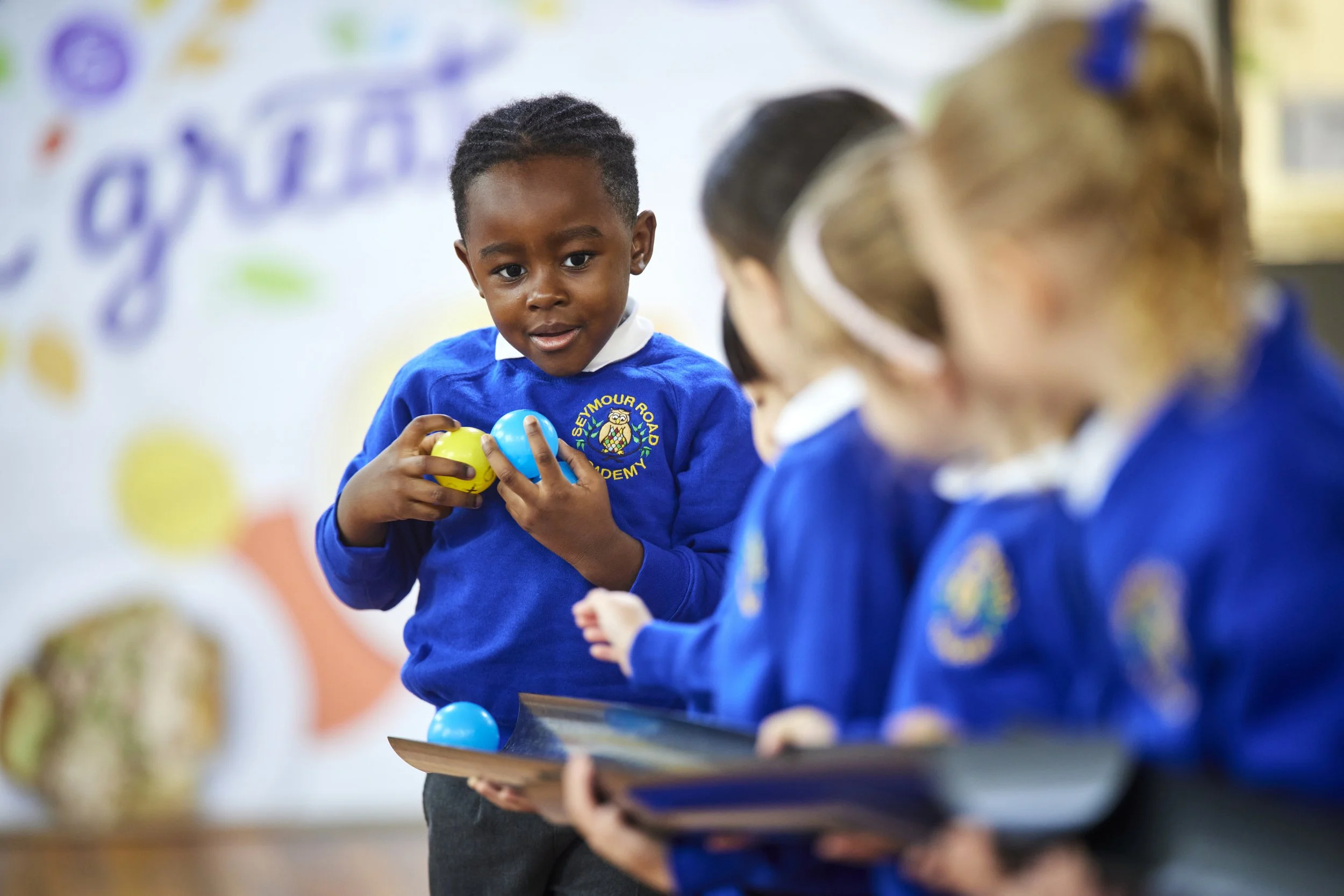
Get ready to explore, experiment, and discover together! Our Science Experiment of the Month is a fun, hands-on activity designed for children and parents to enjoy side by side. Each month, we’ll dive into a simple experiment using everyday materials, sparking curiosity and encouraging questions about how the world works. It’s a great way to learn through play, spend quality time together, and inspire a love of science at home.
We know science is good in our schools when we see:
Students as Scientists
Curious questions
Included and involved
Engaged and excited
Noticing science in the everyday
Challenging and practical
Enthusiastic teachers
This month’s experiment is…
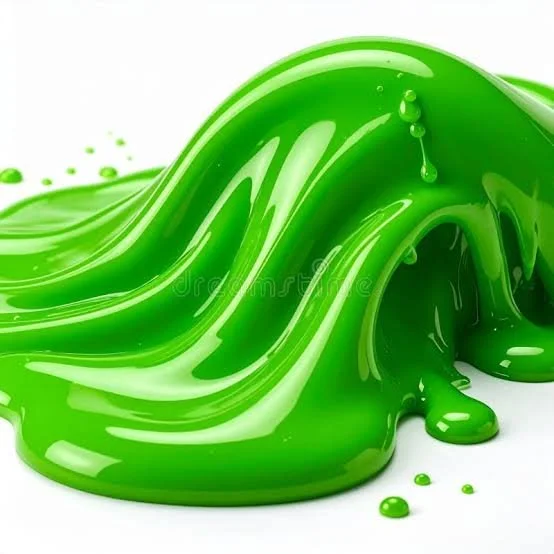
October - Spooky Slime!
Have you ever wanted to learn how to make some super sticky spooky slime? Get ready for a fun, hands on experiment that will have you stretching, squishing and investigating like real scientists!

Previous Experiments
-
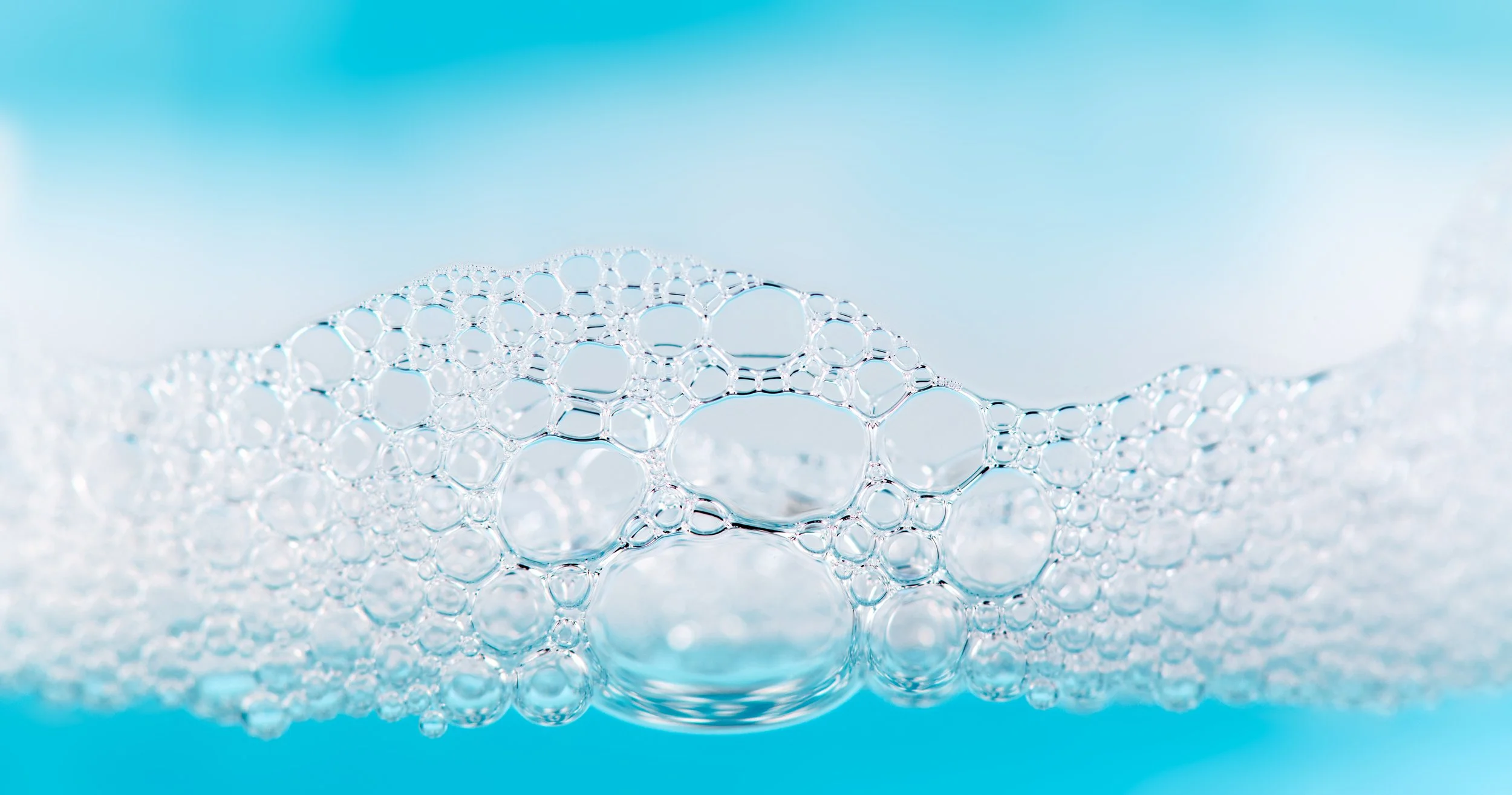
March - Bubble Worms
Bubbles are fun all year round, but on a sunny day they are extra magical!
-
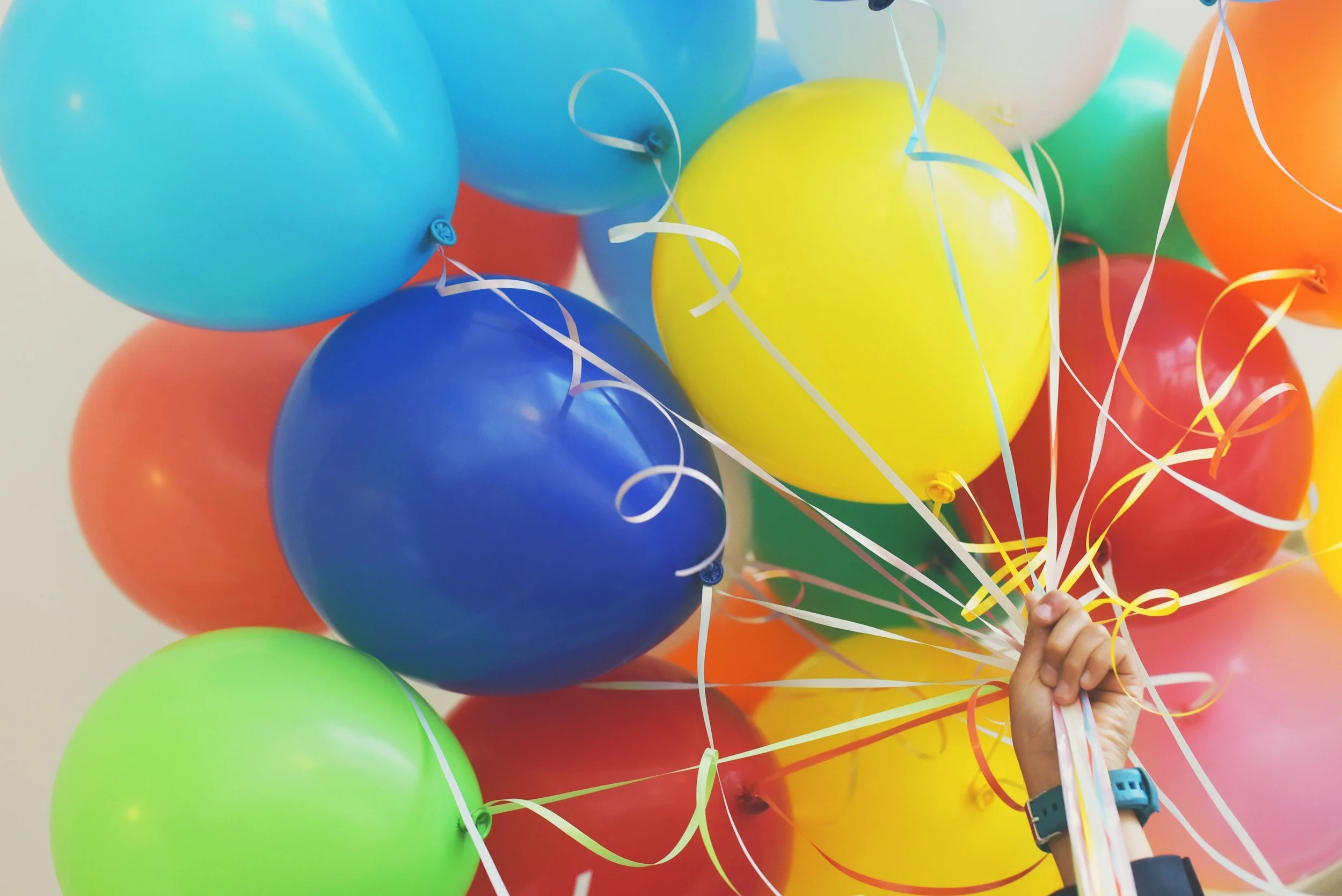
April - Magic Balloons
Let’s have some forces and static electricity fun with balloons!
-
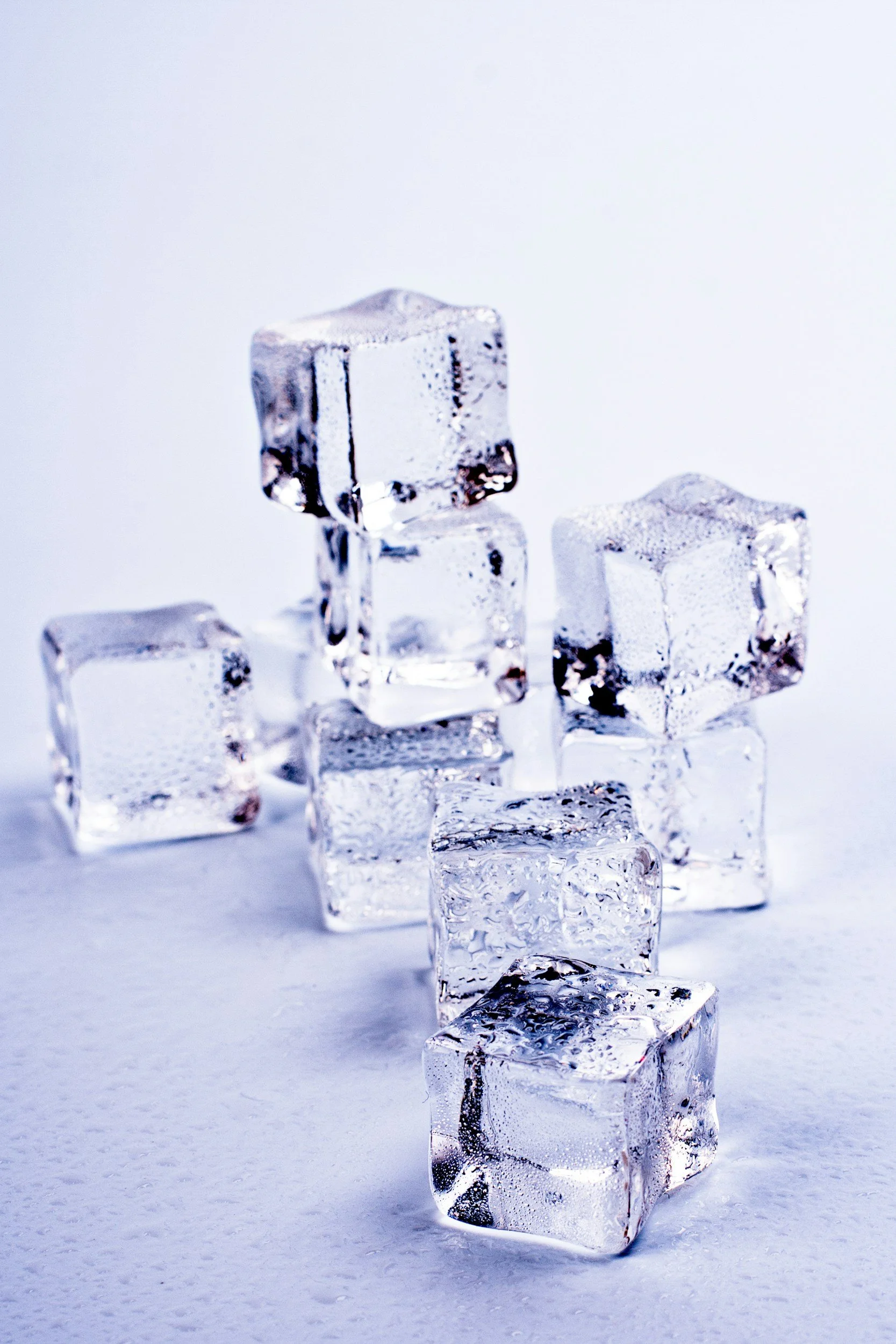
May - Hot or Cold Ice?
What freezes quicker…hot or cold water? Let’s make a prediction and see if we are right.
-

June - Acid or Alkali?
Is it an acid, an alkali or neutral? Let’s find out!
-

July - Scientific Suction
Discover the amazing power of air pressure with this fun and fascinating Science experiment!
-
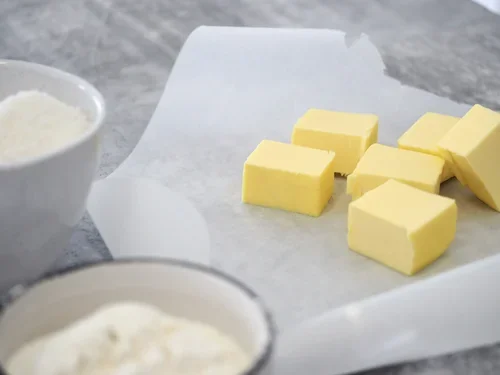
September - Utterly Butterly!
Discover how to make your own butter by shaking cream in a jar.